
You might have noticed people selling personalized mugs, T-shirts, journals, and other products online and wondered how they got started. Maybe you’ve also seen videos saying you can start a print-on-demand business with little money and quickly earn a huge income.
You can definitely start a print-on-demand business, even if you’ve never run a business before. However, it takes more than just uploading a few designs and waiting for customers.
If you’re interested, let’s go over what you should consider before opening your store.
1. First, Understand How Print-on-Demand Works
One big advantage of print-on-demand is that you don't need to buy a large quantity of products before you can start selling.
Instead, you work with a print-on-demand provider that produces an item after a customer places an order.
For example, suppose you want to sell journals with personalized covers.
You create the design and list the journal in your online store. When someone buys one, the order goes to your print-on-demand provider. The provider prints, packages, and ships the journal to your customer.
You don't need to keep boxes of journals in your house or package each order yourself.
Of course, you're still responsible for running the business, handling customer questions, and making sure your products are represented accurately.
If this is all new to you, check out our article What Is Print-on-Demand and How Does It Work? for a more detailed explanation.
2. Decide What You Want to Sell
Before choosing a website or designing a logo, think about the products you want to offer.
Print-on-demand providers offer a wide range of products, including:
T-shirts and other clothing
Mugs and drinkware
Journals and notebooks
Tote bags and accessories
Home decor
Personalized gifts
It can be tempting to offer a little bit of everything, especially with so many products available.
Starting with a smaller selection can simplify things.
For instance, if you enjoy designing for pet lovers, you could focus on products such as pet-themed mugs, journals, or memorial gifts.
If you like inspirational messages, you could create a collection with encouraging words and meaningful sayings.
You don’t have to choose a very narrow category, but it helps to know who your customers might be.
Ask yourself a few questions.
Who would buy these products? Would people buy them for their own use or as gifts? What would cause someone to select your product over a similar one from another shop?
It’s okay if you don’t have all the answers right away. You can adjust your product selection as you learn what your customers want.
3. Choose a Print-on-Demand Provider
Once you have an idea of what you'd like to sell, you'll need a company to produce and ship your products.
Two well-known providers are Printify and Printful, although there are others.
These companies offer product catalogs you can customize with your designs.
Before choosing a provider, compare more than just the product prices.
Check the range of products offered, printing options, shipping costs, production times, the quality of customer support, and whether the provider works with the selling platform you intend to use.
You should also note where the products are made and where they are shipped from since this may have an impact on both the delivery times and the costs.
Some print-on-demand services work with multiple printing companies, so quality, prices, and shipping options can vary depending on which company produces the item.
You don't have to choose a provider based on the largest product catalog. A company with fewer products might be a better choice if it offers the specific items and quality you want.
4. Decide Where You'll Sell Your Products
Now you need to decide where your customers will buy your products.
You can sell print-on-demand items online in several ways.
Your Own Online Store
One option is to set up your own website where customers can browse and buy your products.
You don’t have to build a website from scratch. Many companies offer tools to help you set up and manage an online store. These are called e-commerce platforms.
Shopify, Wix, Squarespace, and WooCommerce are examples of such platforms. Because they offer different features, prices, and levels of flexibility, it's worth comparing them before deciding.
Having your own online shop gives you more control over how your website looks, how your products are displayed, and how you present your business.
However, you'll generally be responsible for attracting visitors to your website. You'll also have ongoing expenses, such as website fees and possibly additional costs for certain features.
Online Marketplaces
You could also sell your items on an online marketplace, such as Etsy, eBay, or Amazon.
An online marketplace is a website where different sellers sell products to customers. Instead of setting up your own website, you open a seller account and list your products on any existing shopping site.
One advantage is that these websites already attract people looking to buy products. However, you'll be competing with other sellers, paying applicable fees, and following the marketplace's rules.
You'll also need to check whether the marketplace allows the type of products you want to sell and whether it works with your chosen print-on-demand provider.
There isn’t a single option that works best for everyone.
Think about your budget, how much you want to spend on your store, and how comfortable you are with setting up and running a website.
Before choosing a platform, check its current fees and policies. Also, make sure it can connect with your print-on-demand provider so orders are sent to the company that will make and ship your products.
5. Create Your Product Designs
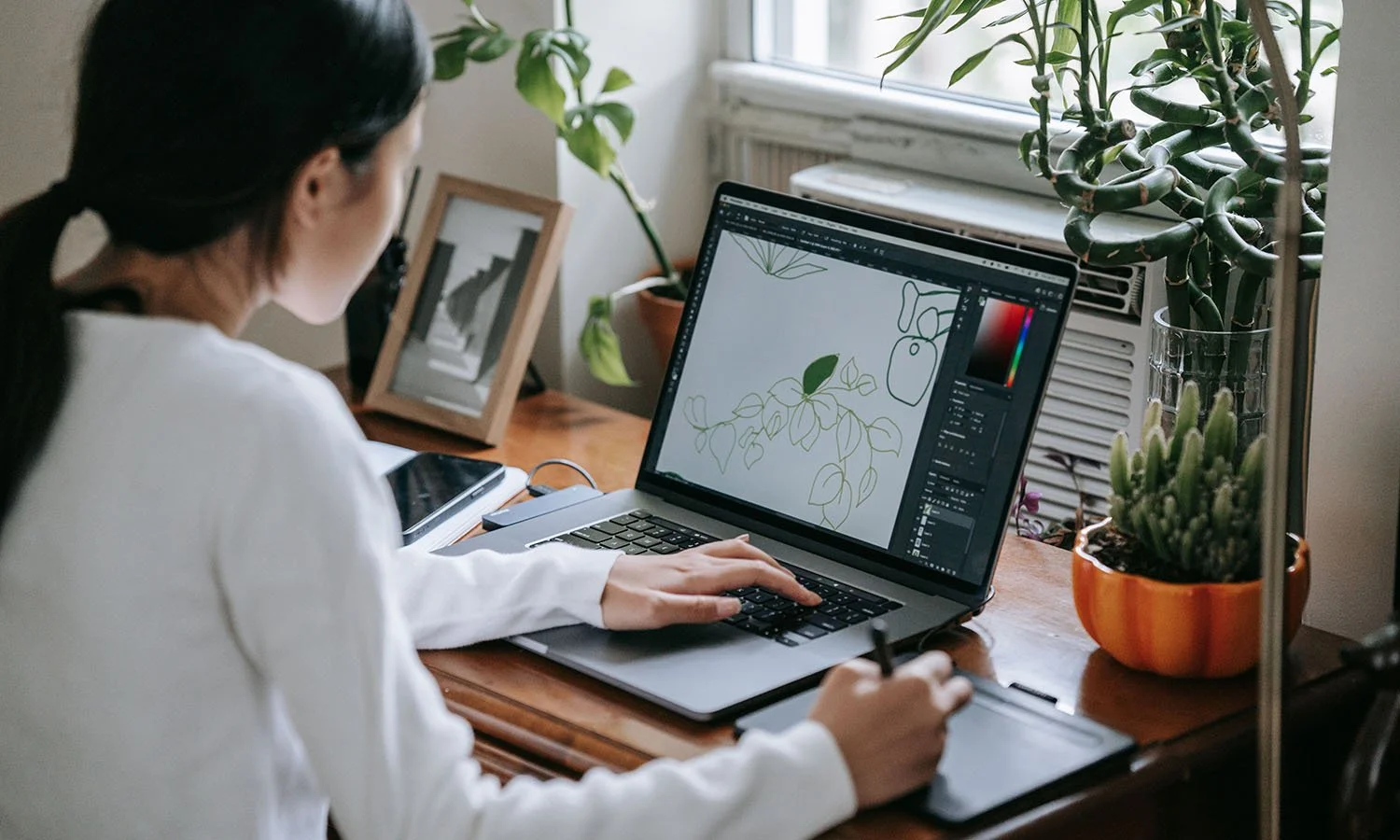
Now comes the creative part.
Depending on what you're selling, your designs might include illustrations, photographs, sayings, patterns, or personalized names.
You don’t need to be a professional graphic designer to start a print-on-demand business.
Some sellers create their own artwork. Others use design software, licensed graphics, or artwork they have permission to use.
You can also create products that allow customers to add personal details, such as a name or a special message.
No matter which method you choose, make sure you have the rights to use all images, artwork, fonts, and other design elements for commercial purposes.
Just because an image appears on the internet doesn't mean you can print it on products for sale.
It's also important to follow your print-on-demand provider's design requirements.
A design that looks wonderful on your computer screen may not print correctly if the resolution is too low, the artwork is positioned incorrectly, or the colors don't reproduce as expected.
Remember, your designs don’t have to be complicated.
Sometimes a simple message or a carefully placed name can make a product appealing.
6. Understand Your Costs Before Establishing Prices
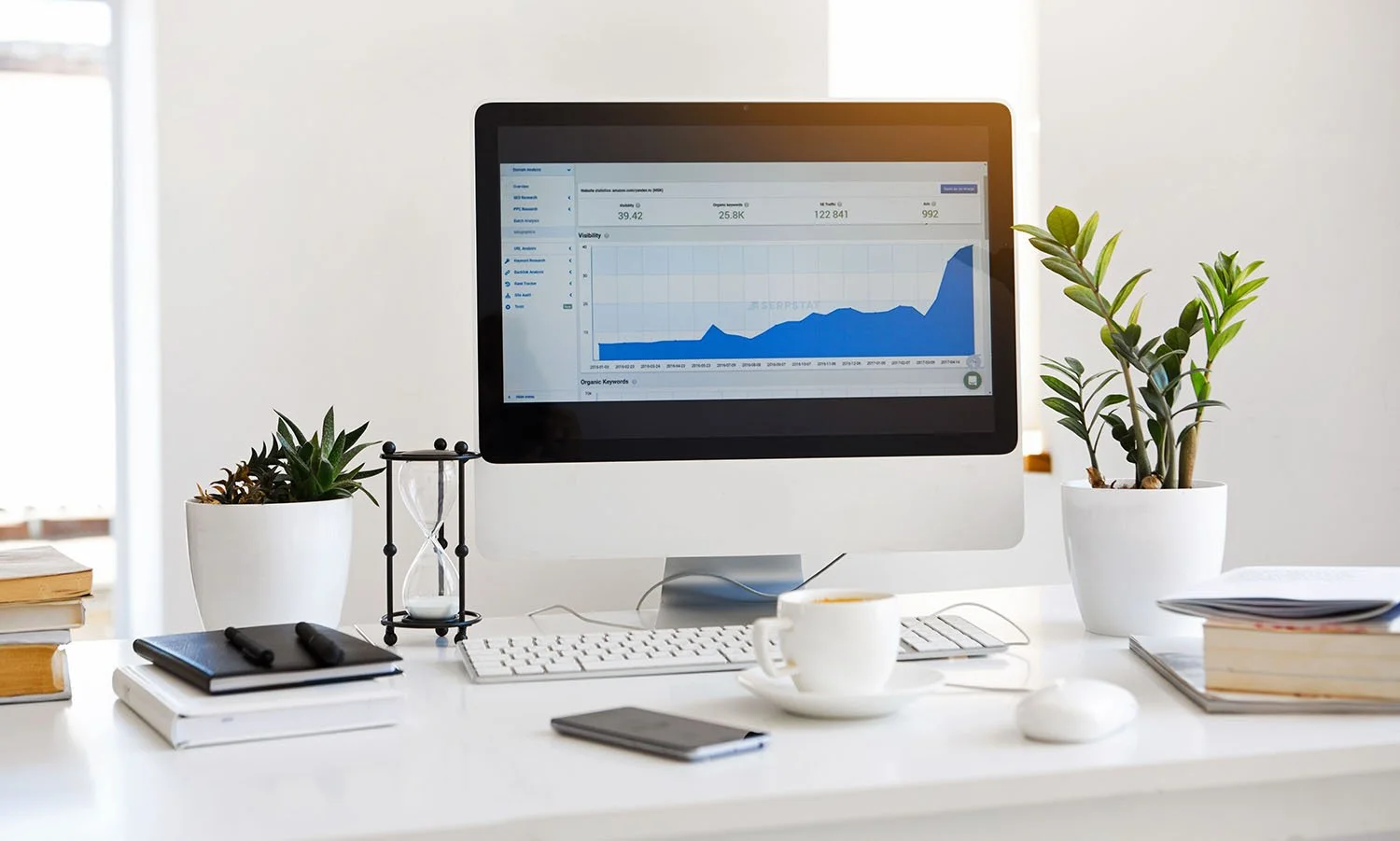
Understanding your costs is one of the most important steps when setting up a print-on-demand business.
It’s easy to think you’ll make a good profit by selling a product at a slightly higher price.
But there are other important expenses to consider too.
Depending on your business, these might include:
The cost of producing the item
Shipping charges
Website subscriptions
Marketplace and payment processing fees
Design software or other services
Advertising expenses
Sample products
Refunds, replacements, and other unexpected costs
Let's use a simple example.
Suppose you sell a mug for $20.
Your print-on-demand provider charges $8 to produce it, and shipping costs another $5.
That leaves $7.
But that $7 isn't necessarily your profit. You may still have transaction fees, advertising expenses, and other business costs to account for.
If you want to offer free shipping, you’ll need to include that cost in your selling price.
Before listing a product, work out what it costs to fulfill an order and how much you realistically expect to keep after expenses.
Print-on-demand reduces the need to invest in inventory, but it doesn't eliminate business costs.
For a closer look at the benefits and challenges, read our article The Advantages and Disadvantages of Print-on-Demand.
7. Order Samples Before Selling
It’s not a good idea to skip this step.
Print-on-demand providers usually offer digital mockups that show how your designs might look on finished products.
Mockups are helpful, but they’re not the same as seeing the real product.
A mug might look beautiful on your computer screen, but what happens when you receive it?
Is the printing sharp? Are the colors what you expected? Does the mug itself feel like a good-quality product?
The same applies to clothing, journals, bags, and other items.
Ordering a sample lets you check the product before a customer buys it.
You might need to adjust the size of a design, change the print color, or find that the product isn’t what you expected.
At Lencyn, samples have made us rethink a design or reconsider whether a product belongs in our store.
It's much better to discover those issues yourself than to have an unhappy customer discover them for you.
We've written more about this in Why We Order Print-on-Demand Samples? and What We Look for When Testing a New POD Product.
8. Set Up Your Online Store
Once you’ve chosen your products, designed them, and checked the samples, it’s time to get your store ready.
You'll need product listings that help customers understand exactly what they're purchasing.
A good product listing should include clear photographs or accurate mockups, a useful description, available sizes or colors, and any personalization instructions.
Don't forget the practical information.
Customers should be able to find your shipping information, estimated delivery times, return and refund policies, and a way to contact you.
If you're selling personalized products, explain how customers provide their information and what happens if they make a mistake.
You'll also need to consider the business side of opening a store, including any applicable registration, licensing, tax, and record keeping requirements. These depend on where you operate and where you sell, so check the rules that apply to your situation.
Before making your store public, go through the shopping process yourself.
Check the product pages, links, personalization fields, shopping cart, and checkout settings. Make sure your payment and shipping settings work as expected.
A store doesn't have to be fancy, but it should be easy to understand and use.
9. How Will Customers Find Your Store?
You’ve created your products, set up your store, and everything is ready.
Now what?
This is where many new business owners discover that opening an online store and getting people to visit it are two very different things.
Customers usually won't find your website simply because it exists.
You need to give people a reason and a way to discover your products.
Some common ways to promote a print-on-demand business include Pinterest, social media, search engine optimization (SEO), blog posts, and paid advertising.
You don't have to try every marketing method at once.
For example, if you enjoy creating attractive product photographs and graphics, Pinterest could be worth exploring.
If you like writing, blog posts can help answer questions people are searching for and introduce readers to your business.
Whatever methods you choose, give them time and pay attention to the results.
You can explore this subject further in our article Marketing a Print-on-Demand Business: What Does It Really Take?.
10. Start Small and Learn as You Go
One nice thing about print-on-demand is that you can start with a relatively small product collection.
You don't need to launch with 100 products.
In fact, starting with just a few carefully selected items may make it easier to manage your store, check product quality, and see what works.
As you gain experience, you’ll likely discover things you didn’t think of at first.
A product you thought would be popular might not get much attention.
Maybe customers prefer personalized versions over standard designs.
Or you may discover that a particular product costs too much to produce and ship to be priced at what customers will pay.
Those experiences can help you make better decisions.
You don’t have to keep all the products you started with. It’s perfectly fine to change your selection, improve a design, or remove something that isn’t working.
A business doesn't have to remain exactly as it was on opening day.
11. Be Realistic About Making Money
You've probably seen videos or advertisements suggesting that print-on-demand is an easy way to earn thousands of dollars every month.
Some businesses do become successful, but that doesn't mean those results are typical or easy to achieve.
Building a business takes time.
You need to create products people want, price them right, manage your store, attract customers, and handle any issues that come up.
Even after doing all of that, sales aren't guaranteed.
Print-on-demand can be a practical way to explore a business idea without purchasing large amounts of inventory, but it isn't an automatic source of income.
We take a closer look at those big income claims in Can You Really Make Thousands a Month With Print-on-Demand?
It's worth reading before investing too much money based on what someone promises in an online video.
12. Decide Where to Sell and Ship Your Products
Just because you're selling products online doesn't mean you have to sell to customers around the world.
You can choose to sell only within your own country, offer international shipping, or start with domestic sales and expand later.
For example, if you're starting a print-on-demand business in the United States, you might decide to accept orders only from U.S. customers.
This can make things easier when you're first getting started. You won't have to deal with as many differences in international shipping costs, customs requirements, import taxes, or delivery times.
On the other hand, selling internationally gives you the opportunity to reach customers in other countries.
But there are a few things to consider.
Not every print-on-demand provider ships every product to every country. Shipping charges and delivery times can also vary considerably depending on the destination.
Some providers have printing facilities in different countries, which may allow certain products to be produced closer to the customer. However, that doesn't necessarily mean every product is available from every location.
If you plan to sell internationally, you'll also need to understand any applicable customs duties, import taxes, and other requirements.
Before opening your store, check which countries your print-on-demand provider can ship to and how much shipping will cost.
Then make sure your online store is set up to accept orders only from the locations you intend to serve.
There's nothing wrong with starting small. You can begin by selling domestically and consider expanding internationally once you're more familiar with how your business operates.
So, Is Starting a Print-on-Demand Business Worth Trying?
That depends on what you're hoping to accomplish.
If you want a business that requires little effort and immediately produces steady income, print-on-demand probably isn't what you're looking for.
But if you enjoy creating products, learning new things, and building something of your own, it may be worth exploring.
Start with a few products, learn how the process works, and make changes as you go.
You don’t need to know everything before you start, but you’ll need patience, realistic expectations, and a willingness to handle the less exciting parts of running a business.
And sometimes, one of the most valuable things you'll learn is that an idea you thought would work needs a little more thought.
Starting a print-on-demand business isn't simply about creating designs. It's about learning how to turn those designs into products people actually want to buy, while building a business you can realistically manage.
Visit Our LencynVibes Shop
Want to see some of the products we offer? Visit our LencynVibes store.